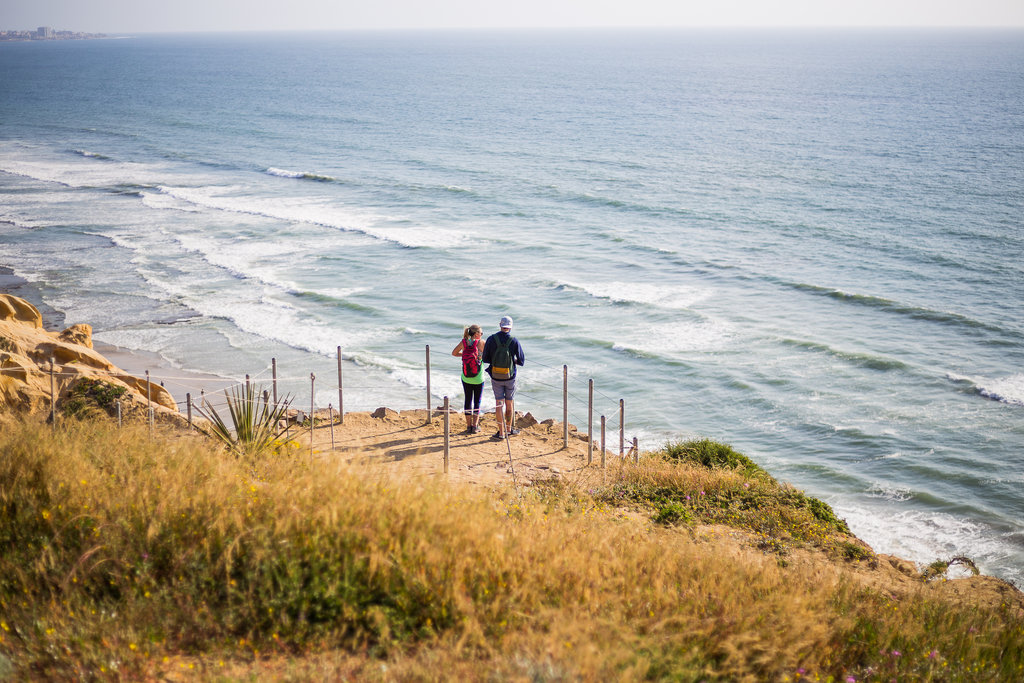
California’s diverse terrain draws millions of hikers to trails that wind through national parks, state lands, and private property each year. When you suffer injuries while hiking, determining who bears responsibility can be challenging, as liability may fall on government entities, private landowners, or even other hiker,s depending on the circumstances of your accident.
At Callahan & Blaine, PC, our experienced trial attorneys understand the complex legal landscape surrounding California hiking accidents. With over 40 years of litigation experience and 29 accomplished attorneys, we help injured hikers navigate the intricate laws governing liability on California trails and pursue the compensation they deserve.
Government Entity Liability for Trail Accidents
Government entities maintain thousands of miles of hiking trails across California, from local parks to national forests. These public agencies have a duty to maintain trails in reasonably safe condition and warn visitors of known hazards. However, pursuing claims against government entities involves unique challenges due to sovereign immunity protections.
Under California Government Code Section 835, public entities may face liability when dangerous conditions on public property cause injuries. For example, if a poorly maintained trail bridge collapses or inadequate signage fails to warn hikers about rockfall zones, the responsible government agency could be liable. The key is proving the entity knew or should have known about the dangerous condition and failed to take reasonable steps to address it.
When can you hold government entities liable for personal injuries in California presents additional complexities, including strict notice requirements and shortened statute of limitations periods. Claims against government entities typically must be filed within six months of the incident, making prompt legal action essential.
Private Property Owner Responsibilities
Many popular hiking trails cross or are adjacent to private property, creating potential liability for landowners. Property owners owe different duties of care depending on the legal status of trail users, which can range from invitees to trespassers.
Invited Visitors and Licensees
When property owners explicitly allow public access to trails on their land, hikers generally qualify as licensees or invitees. For licensees, property owners must warn of known dangerous conditions, but are not required to inspect for hazards. Invitees receive the highest level of protection, as property owners must maintain the property in a reasonably safe condition and inspect for potential dangers.
Recreational Use Statutes
California Civil Code Section 846 provides liability protection for private landowners who allow free public recreational use of their property. This statute encourages landowners to open their property for hiking, camping, and other outdoor activities without fear of excessive liability. However, the protection does not apply if landowners charge fees or act with willful misconduct.
Understanding these nuances proves crucial for hiking accident cases involving private property. The specific circumstances of property access and the landowner’s conduct determine whether standard negligence principles apply or statutory protections limit liability.
Commercial Outfitters and Tour Companies
Hiking tour companies and commercial outfitters face heightened liability standards when leading groups on California trails. These businesses typically have duties to:
- Properly train and supervise guides
- Provide adequate safety equipment
- Warn participants about trail hazards
- Ensure participants have appropriate skill levels
- Maintain emergency response capabilities
Commercial operators cannot simply rely on liability waivers to escape responsibility for negligent conduct. California courts regularly scrutinize these agreements and may void them when companies fail to meet basic safety standards or engage in grossly negligent behavior.
Liability for Hiking Accidents Involving Other Trail Users
Fellow hikers, mountain bikers, and equestrians may also bear responsibility for trail accidents. These cases typically involve standard negligence principles, examining whether the defendant acted reasonably under the circumstances.
Common scenarios include mountain bikers riding too fast on shared trails, hikers creating rockfall hazards, or groups blocking narrow passages. The duty of care varies based on the activity and trail conditions, but all trail users must exercise reasonable caution to avoid injuring others.
Callahan & Blaine, PC: Your Advocates for Hiking Accident Claims
Hiking accident liability cases demand thorough investigation, legal knowledge, and trial advocacy skills. Our team at Callahan & Blaine, PC brings over four decades of litigation experience to every case, having secured some of the largest jury verdicts in Orange County history, including a record-setting $934 million business litigation verdict. Each of our 29 senior attorneys possesses extensive litigation experience, ensuring your case receives skilled representation from seasoned trial lawyers.
We understand the physical, emotional, and financial challenges following serious hiking accidents. Our comprehensive approach includes working with medical professionals, accident reconstruction specialists, and trail safety experts to build compelling cases for our clients. Whether your case involves government liability, private property owners, or commercial operators, we have the resources and determination to pursue maximum compensation for your injuries. Contact us at (714) 241-4444 or through our contact form to discuss your hiking accident case.