 Every year, flooded roadways take lives that should have been spared. According to the National Weather Service, over half of all flood-related drownings occur when a vehicle is driven into hazardous floodwater, and just 12 inches of rushing water is enough to carry away most cars. What looks like a manageable puddle can hide a collapsed road, a swift current, or several feet of standing water, turning an ordinary commute into a life-threatening situation in seconds.
When drivers push through flooded roads and something goes wrong, the aftermath raises serious legal questions about fault and financial responsibility. Victims of flood-related car accidents, whether struck by another vehicle, swept from the road, or injured as a passenger, may have grounds to pursue personal injury claims for the harm they have suffered. Callahan & Blaine, PC is a California litigation firm with 29 senior trial attorneys and more than 40 years of experience representing those injured by the reckless or negligent decisions of others on the road.
Why Flooded Roads Are So Dangerous
Drivers consistently underestimate the danger of floodwater on roadways, and the consequences are often fatal. Water moves with far more force than most people expect.
The Physics of Floodwater
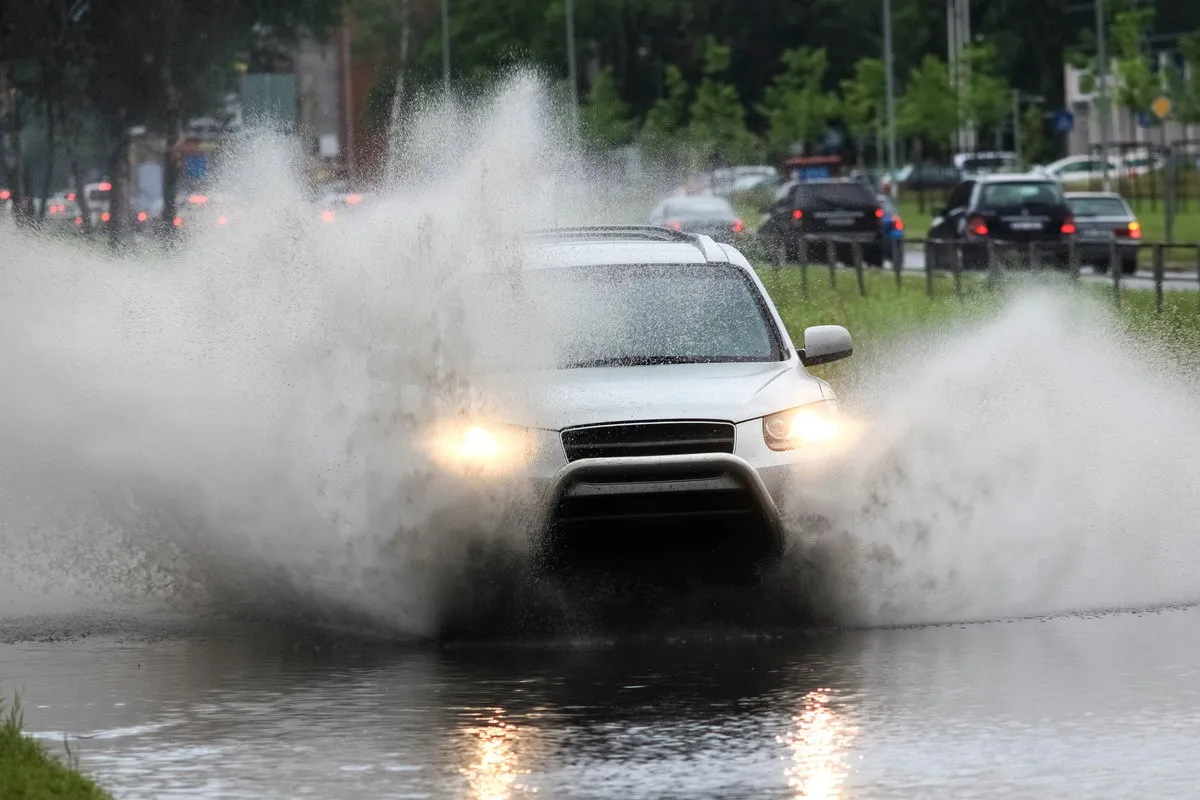
A vehicle entering moving floodwater loses traction almost immediately. As the National Weather Service explains, just 12 inches of rushing water can carry away most passenger vehicles, while 2 feet of fast-moving water can sweep away SUVs and trucks. Once a car begins to float, the driver loses all directional control, and the vehicle becomes entirely subject to the current. What starts as a risky shortcut can become a vehicle trapped against a barrier or swept into a drainage channel within seconds.
Hidden Road Damage
Floodwater also conceals damage to the road surface itself. A road that appears passable may be sitting over a washed-out foundation, a collapsed culvert, or a completely missing section of pavement. Drivers cannot see what lies beneath the water’s surface, which means they are making a blind decision every time they proceed through a flooded stretch of road. Even if the vehicle survives the water, a crumbling road surface underneath can cause a driver to lose control entirely.
Liability When Accidents Occur on Flooded Roads
Not every flood-related accident is the result of pure weather misfortune. In many cases, another party’s choices or failures contributed directly to the crash.
Driver Negligence and Fault
Proving car accident negligence in California requires showing that another party owed a duty of care, breached that duty, and caused harm as a result. A driver who knowingly proceeds through a flooded roadway at unsafe speeds, ignores posted warnings, or drives recklessly in standing water and collides with another vehicle may be held liable for the resulting injuries. California follows a comparative fault system, which means that even if a victim is found to share some responsibility, they may still recover damages proportional to the other party’s fault.
Government and Third-Party Liability
In some circumstances, accident liability extends beyond the drivers involved. Municipalities or government agencies responsible for road maintenance may face liability if they failed to post adequate flood warnings, neglected to install proper drainage systems, or knowingly allowed dangerous road conditions to persist without remediation.
Property owners whose drainage systems contribute to flooding onto a public road may also bear some responsibility. These cases tend to be more complex, but they are worth investigating when the conditions that caused the accident were preventable.
What to Do After a Flood-Related Car Accident
Taking the right steps immediately following a flood-related accident can make a meaningful difference in the strength of a legal claim. The sequence of events you document often becomes the foundation of a case.
The following are key actions to take:
- Document the scene: Photograph the road, standing water, any warning signs or lack thereof, vehicle positions, and visible damage.
- Seek medical attention: Even if injuries seem minor, get evaluated by a doctor as soon as possible to establish a medical record.
- Report the accident: File a police report and notify your insurance company, but avoid admitting fault before speaking with an attorney.
- Preserve evidence: Do not repair your vehicle or discard any damaged property until legal counsel has reviewed the situation.
Taking these steps promptly gives an attorney the best opportunity to evaluate all responsible parties and pursue the full compensation available. Understanding how fault is assigned in complex accidents is critical when more than one driver or entity may be responsible for what happened.
Contact Callahan & Blaine to Submit Your Potential Case
Flood-related car accidents carry consequences that extend well beyond the initial impact. Medical bills, vehicle damage, lost income, and long-term injuries can create financial hardship that victims should not have to absorb on their own when another party’s negligence was a contributing factor. Callahan & Blaine, PC has obtained landmark results for injured clients throughout California, including a $934 million jury verdict, the largest in Orange County history, and a $50 million personal injury settlement, the largest of its kind in U.S. history.
Our 29 senior trial attorneys bring decades of individual experience to every case we handle, and we have the litigation track record that matters when insurance companies and opposing counsel push back hard. If you were injured in a flood-related vehicle accident, we encourage you to reach out to us and let us know what happened. Contact our office to submit your potential case for review.