 You did everything right. You parked legally, set the brake, and walked away, and then you came back to find your car damaged by someone who may or may not have left a note. This situation is more common than most people realize, and the good news is that being parked does not leave you without options. California law and your own insurance policy may work together to protect you, but the steps you take immediately after discovering the damage matter a great deal.
If your parked car was struck and you are dealing with injuries, property loss, or the stress of an unresponsive driver, the personal injury attorneys at Callahan & Blaine, PC are here to help. Our firm has represented Californians for over 40 years, and our 29 senior trial attorneys understand exactly how these cases unfold and what it takes to recover fair compensation.
What to Do Right After You Find the Damage
The moments after discovering a hit-and-run on your parked car are important for building a strong claim. Your first priority should be documenting everything before you move the vehicle or disturb anything around it.
Gather Evidence at the Scene
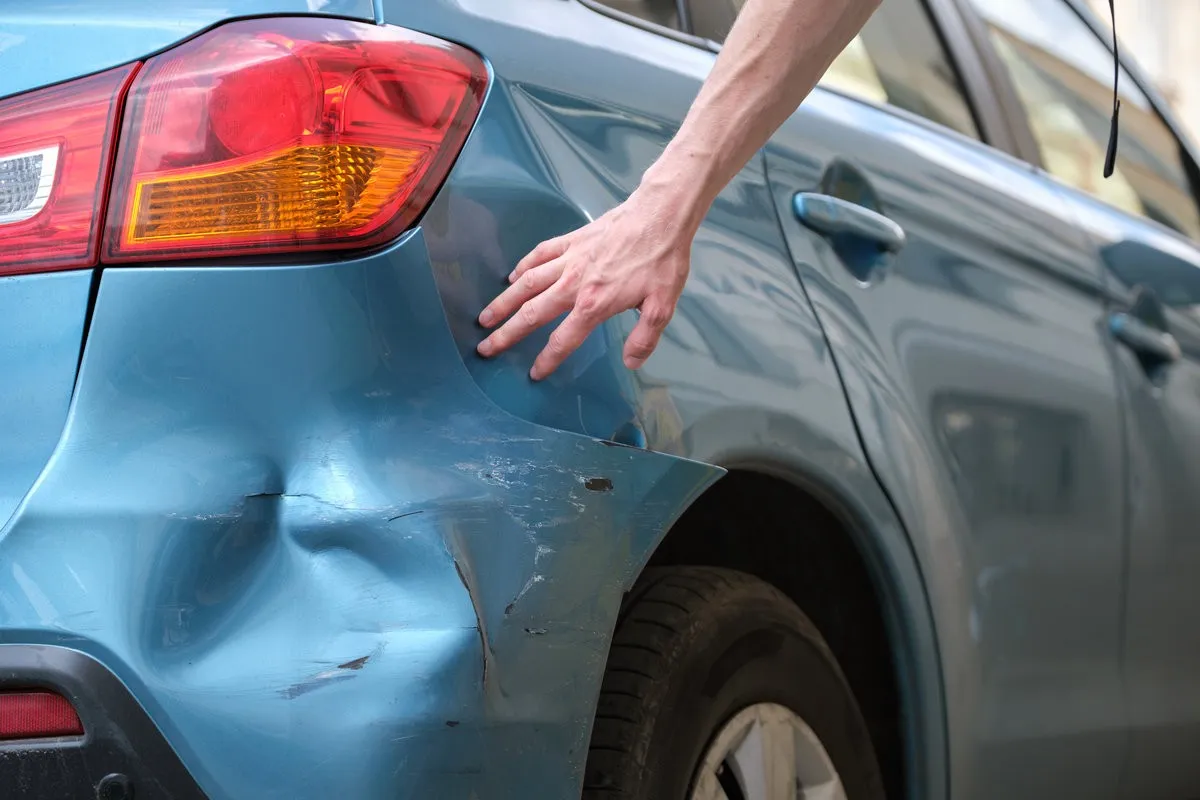
Start by taking photographs of all damage from multiple angles, including wide shots showing your car’s position on the street and close-ups of every point of impact. Check the immediate area for paint transfer, broken glass, or debris that may have come from the other vehicle. These details can help identify the make, model, or color of the car that hit yours.
Look for witnesses. Nearby residents, business owners, or passersby may have seen what happened or may have security camera footage. Ask anyone nearby if they witnessed the incident and get their contact information. Security cameras on storefronts, residences, and traffic infrastructure can be invaluable in identifying the responsible driver, so act quickly, as this footage is often overwritten within days.
Report the Incident
California law requires you to report accidents involving property damage to local police or the California Highway Patrol. Filing a police report creates an official record of the event and is often required by insurance companies before processing a claim. Be thorough and accurate when describing what you found, and request a copy of the report number before you leave. You can find additional guidance on how to report a car accident in California to ensure you meet all legal obligations.
Understanding Your Insurance Coverage
Once you have documented the scene and filed a police report, contact your insurance company. The type of coverage you carry will determine how your claim is handled.
When the Other Driver Leaves a Note
If the responsible driver stayed and provided their contact and insurance information, the path forward would be more straightforward. You can file a claim directly with their liability insurance. However, insurers do not always make this process easy, and a not-at-fault accident can still affect your rates depending on your policy and carrier.
When the Other Driver Fled the Scene
If no note was left, you are dealing with a hit-and-run. According to the National Safety Council, tens of thousands of crashes occur in parking lots and on streets annually, and many go unreported. In these situations, your uninsured motorist property damage coverage, if you carry it, may pay for repairs. Collision coverage is another option, though it typically comes with a deductible. Understanding how California auto insurance claims work can help you navigate which coverage applies to your specific situation.
One important note: the question of coverage can become more complicated if the incident occurred on private property rather than a public street. The rules around car insurance coverage for accidents on private property differ in ways that can affect your claim.
Who Is Responsible for Your Medical Bills?
Parked car accidents typically involve property damage rather than physical injury. However, if someone was in the vehicle at the time of impact or sustained an injury while returning to the car, medical expenses become a factor. Understanding who pays medical bills after a car accident in California depends on fault, coverage type, and the specific circumstances of the crash.
California follows a fault-based system, meaning the at-fault driver’s liability insurance is generally responsible for covering damages. If that driver cannot be identified, your own uninsured motorist coverage may step in.
Contact Us to Submit Your Potential Case with Callahan & Blaine, PC
When a negligent driver damages your parked car and walks away, you deserve more than a runaround from an insurance company. Callahan & Blaine, PC has built a reputation over four decades as one of California’s most formidable litigation firms. Managing Partner Edward Susolik has handled more than 1,500 mediations and 2,000 insurance disputes, and our team has secured landmark results, including a $934 million jury verdict, the largest in Orange County history.
We fight for clients who have been wronged, and we know how to hold both at-fault drivers and uncooperative insurers accountable. If you were hit while legally parked and you are unsure of your next steps, we encourage you to contact us to submit your potential case.